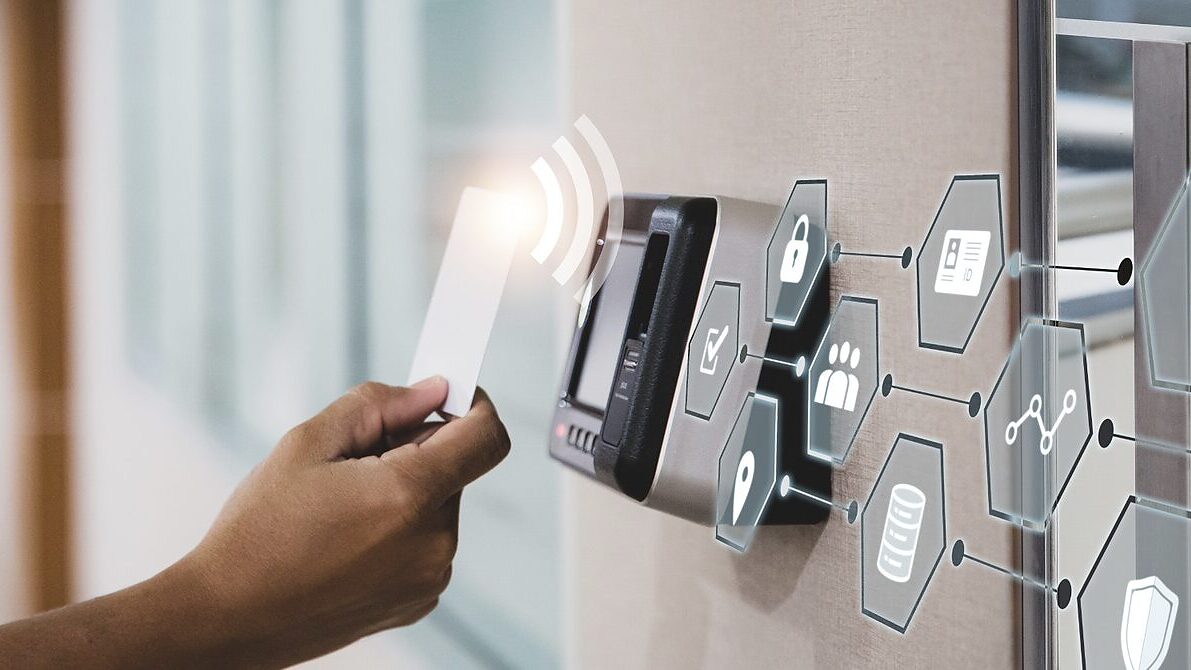
Workforce management continues to evolve in the UAE, driven by technological advancement and the need for operational precision. Organizations across Dubai, Abu Dhabi and the wider Emirates are moving beyond outdated attendance tracking methods that fail to deliver accuracy or accountability. The biometric system for attendance represents a fundamental shift in how businesses monitor employee presence, eliminate time fraud and streamline payroll operations.
Traditional attendance methods have created persistent challenges for UAE enterprises. Manual registers are vulnerable to human error and manipulation. Card-based systems allow employees to clock in for absent colleagues. These inefficiencies translate directly into financial losses, compliance risks and administrative overhead that diverts resources from core business functions.
Biometric finger attendance systems address these vulnerabilities through biological authentication that cannot be duplicated, shared or circumvented. By capturing unique physiological characteristics, these systems establish definitive proof of employee presence while automating data collection and analysis. The result is a workforce management infrastructure that delivers measurable improvements in accuracy, security and operational efficiency.
Understanding Biometric Attendance Systems
A biometric attendance system captures and analyzes distinctive human characteristics to verify identity and record time-in and time-out data. Unlike proximity cards or PIN codes that can be transferred between individuals, biometric identifiers remain permanently linked to a single person.
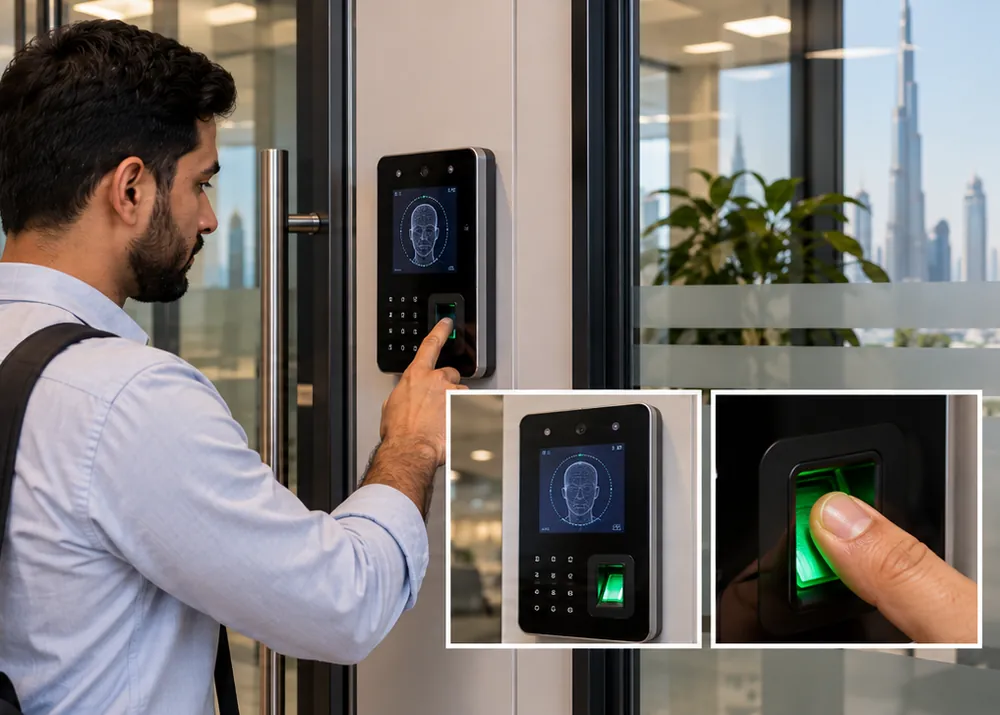
The most widely deployed biometric attendance systems rely on fingerprint recognition technology. Fingerprint attendance machines scan the unique ridge patterns on an employee’s fingertip, convert this data into a digital template and store it securely within the system. When an employee scans their finger at a reader, the system compares the live scan against stored templates to confirm identity before logging attendance.
Modern biometric systems extend beyond basic fingerprint scanning to include facial recognition, iris scanning and palm vein authentication. Each modality offers specific advantages depending on the operational environment, workforce size and security requirements of the organization.
Core Benefits of Biometric Finger Attendance Systems
The transition from manual or card-based systems to biometric solutions delivers tangible advantages across multiple dimensions of workforce management.
Elimination of Time Theft and Buddy Punching
Time theft represents a substantial cost for businesses. When employees clock in for colleagues who arrive late or leave early, organizations pay for work hours that were never completed. Fingerprint attendance machines make this practice impossible. The requirement for physical presence and biological verification ensures that recorded attendance data reflects actual employee presence with absolute certainty.
Reduction in Payroll Processing Errors
Manual attendance tracking introduces errors at multiple points in the payroll cycle. Data entry mistakes, illegible handwriting in registers and miscalculated overtime hours create discrepancies that require time-consuming reconciliation. A biometric system for attendance automates data capture and integrates directly with payroll software. This eliminates manual data entry, reduces processing time and ensures employees receive accurate compensation based on verified attendance records.
Enhanced Data Security and Privacy Protection
Modern biometric systems store fingerprint data as encrypted mathematical templates rather than actual images. This approach protects employee privacy while maintaining the security advantages of biometric verification. Access to attendance data is restricted through role-based permissions, ensuring that sensitive information remains available only to authorized personnel.
Scalability for Growing Organizations
Whether managing 10 employees or 1,000, biometric attendance systems scale efficiently. Cloud-based platforms allow organizations to deploy readers across multiple locations while consolidating all attendance data in a central database. This architecture supports business expansion without requiring proportional increases in administrative resources.
Real-Time Monitoring and Reporting
Traditional attendance systems create delays between data collection and analysis. Managers wait days or weeks to receive compiled reports. Biometric systems provide real-time visibility into workforce attendance patterns. Supervisors can instantly identify late arrivals, early departures, overtime trends and absenteeism patterns. This immediate access enables proactive workforce management rather than reactive problem solving.
Technical Considerations for System Selection
Selecting an appropriate biometric system for attendance requires evaluation of technical specifications, operational requirements and integration capabilities.
Reader Technology and Accuracy
Quality fingerprint attendance machines feature optical or capacitive sensors with high resolution capture capabilities. Advanced algorithms filter out distortions caused by dry skin, minor cuts or dirt to maintain recognition accuracy above 99.9 percent. False acceptance rates, where the system incorrectly matches one person with another’s template, should remain below 0.001 percent to prevent security vulnerabilities.
Environmental Durability
UAE industrial environments expose attendance systems to heat, dust and physical impact. Readers deployed in warehouses, construction sites or outdoor locations require IP-rated enclosures that protect internal components from environmental damage. Temperature-rated devices ensure reliable operation in ambient conditions exceeding 50 degrees Celsius that are common in UAE summers.
Connectivity and Data Management
Cloud-based biometric attendance systems transmit data to secure servers through encrypted internet connections. This architecture enables real-time data access from any location while eliminating the need for on-premise server infrastructure. Organizations with multiple sites benefit from consolidated reporting without complex network configuration.
Alternatively, standalone or LAN-based systems store data locally and require physical access or network connectivity for data retrieval. These configurations suit single-site operations or organizations with specific data residency requirements.
Integration with Business Systems
Maximum value from biometric attendance systems emerges through integration with existing HR and payroll platforms. Open API architectures allow bidirectional data exchange between attendance systems and enterprise resource planning software. Employee records, shift schedules and leave balances synchronize automatically, eliminating redundant data entry and reducing opportunities for discrepancies.
Organizations using biometric access control and attendance systems benefit from unified platforms that manage both security and workforce tracking through a single infrastructure. Employees scan their fingerprint once at facility entry points, simultaneously gaining access and logging attendance.
Return on Investment Analysis
Investment in a biometric system for attendance generates measurable returns across multiple cost categories.
Reduced Time Theft
Conservative estimates suggest that time theft costs organizations between 2 and 5 percent of gross payroll through buddy punching and time padding. For an organization with 100 employees and monthly payroll of AED 500,000, eliminating time theft saves between AED 10,000 and AED 25,000 monthly. Annual savings reach AED 120,000 to AED 300,000, far exceeding the cost of system implementation.
Administrative Efficiency
Manual attendance processing consumes significant HR resources. A single HR administrator spending 10 hours weekly on attendance reconciliation, data entry and report generation represents approximately AED 100,000 in annual labor costs. Biometric automation redirects these resources toward strategic HR functions that drive business value.
Payroll Accuracy
Errors in payroll processing create direct costs through incorrect payments and indirect costs through employee dissatisfaction and turnover. Automated time capture eliminates calculation errors while providing transparent documentation that employees can verify independently. This reduces payroll inquiries and disputes that consume HR time.
Audit and Compliance Costs
During labor audits, organizations must produce comprehensive attendance documentation. Manual systems require time-intensive file compilation and reconciliation. Biometric systems generate required reports instantly with complete audit trails. This reduces audit preparation costs and minimizes exposure to compliance penalties.
Implementation Best Practices
Successful deployment of employee attendance tracking systems requires attention to technical, organizational and human factors.
Comprehensive Needs Assessment
Begin implementation by documenting current attendance processes, identifying pain points and defining specific improvement objectives. Determine workforce size, number of sites, shift patterns and integration requirements. This analysis ensures system specifications align with operational needs.
Employee Communication and Training
Transparent communication builds employee acceptance. Explain the business rationale for biometric implementation, emphasizing benefits like payroll accuracy and elimination of manual sign-in queues. Address privacy concerns by detailing data protection measures. Provide hands-on training so employees understand proper finger placement and system operation.
Phased Rollout Strategy
Large organizations benefit from phased implementations that begin with pilot deployments at selected sites or departments. This approach validates system performance, identifies configuration refinements and builds organizational expertise before full-scale rollout.
Ongoing System Maintenance
Regular maintenance ensures sustained performance. Clean reader sensors weekly to remove dust and residue that affect recognition accuracy. Update software to incorporate security patches and feature enhancements. Review user access rights quarterly to remove permissions for terminated employees.
Frequently Asked Questions
What happens if an employee’s fingerprint cannot be read consistently?
Fingerprint recognition accuracy exceeds 99 percent for most users, but skin conditions, injuries or worn fingerprints occasionally affect scanner performance. Quality biometric attendance systems support multiple authentication methods as alternatives. Employees can enroll additional fingers, use facial recognition or receive temporary PIN codes while maintaining system security.
How long does biometric attendance data remain stored in the system?
Data retention periods depend on organizational policies and legal requirements. Most UAE businesses maintain attendance records for at least two years to satisfy labor law documentation requirements. Cloud-based systems offer unlimited storage capacity, while local systems may require periodic data archiving to maintain performance.
Can biometric attendance systems work offline if internet connectivity is lost?
Yes. Modern fingerprint attendance machines include local storage capacity that continues capturing attendance data during network outages. Once connectivity resumes, stored data synchronizes automatically with central servers. This architecture ensures no attendance data is lost regardless of network reliability.
Are biometric attendance systems suitable for small businesses with fewer than 20 employees?
Absolutely. Biometric systems scale efficiently from small teams to large enterprises. Small businesses benefit from the same advantages of time theft elimination and payroll accuracy as larger organizations. Cloud-based platforms eliminate the need for expensive server infrastructure, making these systems accessible at all business sizes.
How does a biometric system for attendance integrate with existing HR software?
Most modern biometric platforms offer API connections that enable data exchange with popular HR and payroll applications. Attendance records export in standard formats compatible with accounting software. Some providers offer pre-built integrations with widely used systems, simplifying implementation for organizations using standard software packages.
Strategic Workforce Management Through Biometric Technology
Organizations that view attendance tracking as merely a compliance requirement miss substantial strategic value. A comprehensive time and attendance biometric system provides workforce analytics that inform resource allocation, identify training needs and reveal operational inefficiencies.
Patterns in late arrivals or early departures highlight potential scheduling misalignments or employee engagement issues. Overtime trends indicate understaffing that affects service delivery and employee burnout. Absenteeism concentrations suggest workplace culture concerns or management problems requiring intervention.
These insights transform attendance data from a passive record into an active management tool. Business leaders gain visibility into workforce dynamics that directly impact productivity, cost control and operational excellence.
For UAE organizations committed to operational efficiency and regulatory compliance, biometric attendance systems represent essential infrastructure rather than optional technology. The combination of absolute accuracy, fraud prevention and administrative automation delivers returns that justify investment within months while establishing a foundation for long-term workforce management excellence.
Organizations ready to implement advanced attendance solutions benefit from working with experienced providers who understand UAE market requirements, regulatory considerations and integration challenges. Professional installation ensures optimal system performance while ongoing support maintains reliability throughout the system lifecycle.
Transform Your Attendance Management Today
The difference between manual processes and automated precision becomes apparent immediately following biometric system deployment. Employees appreciate faster clock-in procedures and transparent attendance records. HR teams redirect time from data entry to strategic initiatives. Managers gain real-time workforce visibility that enables proactive decision making.
Whether operating a single office or managing employees across multiple UAE locations, a properly configured biometric finger attendance system adapts to your operational requirements while scaling with business growth. The technology that once served only large enterprises now offers accessibility and affordability for organizations of all sizes.
Maple Technologies delivers comprehensive biometric attendance solutions tailored to UAE business requirements. Our expertise spans system selection, professional installation, integration with existing platforms and ongoing support that ensures sustained performance. We work with SIRA-approved equipment and maintain compliance with UAE regulations while focusing on solutions that solve your specific workforce management challenges.
Discover how biometric attendance technology can eliminate time fraud, reduce administrative costs and provide the workforce analytics your organization needs to operate at peak efficiency. Contact our team for a consultation that assesses your current processes and identifies opportunities for improvement through intelligent automation.